Sports Analytics: How Data is Changing Training Approaches
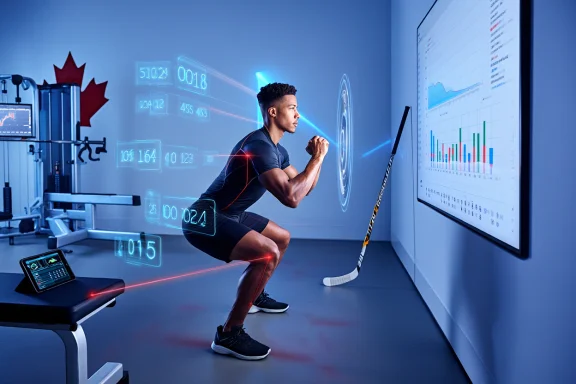
From Gut Instinct to GPS Tracking: The Analytics Revolution in Sports
Remember when hockey coaches made line changes based on hunches and baseball managers trusted their gut over statistics? Those days are as dead as a Tim Hortons franchise in Manhattan. Today’s elite athletes train with more data analysis than NASA uses to launch rockets, and the results are transforming everything from weekend warrior workout routines to Olympic medal performances.
Sports analytics isn’t just for professional teams with million-dollar budgets anymore. Canadian athletes from peewee hockey players in Saskatoon to university track stars in Halifax now have access to performance analysis tools that would have seemed like science fiction just a decade ago. Heart rate variability monitors, GPS tracking systems, and biomechanical analysis software have democratized performance optimization in ways that are fundamentally changing how Canadian athletes train, compete, and develop their skills.
Understanding sports analytics means recognizing that data doesn’t replace coaching instinct or athletic talent – it amplifies both by providing objective insights that help athletes and coaches make smarter training decisions while avoiding the guesswork that often led to overtraining, injury, or plateau performance.
The Foundation: Understanding Athletic Performance Data
Key Performance Metrics and What They Actually Mean
Modern sports analytics focuses on measurable performance indicators that provide actionable insights rather than simply collecting data for data’s sake. Understanding these core metrics helps athletes and coaches focus on information that actually improves performance.
Power and Output Measurements: Power meters in cycling, force plates in weightlifting, and velocity tracking in running provide objective measurements of athletic output that enable precise training load management. These tools measure not just how hard athletes work, but how efficiently they convert effort into performance results.
Recovery and Adaptation Indicators: Heart rate variability monitoring, sleep quality tracking, and subjective wellness questionnaires help athletes and coaches understand when bodies are adapting positively to training stress versus when they’re approaching overtraining or injury risk.
Movement Quality Assessment: Video analysis software and wearable sensors can identify biomechanical inefficiencies that limit performance or increase injury risk. These tools help athletes refine technique while coaches develop more effective skill instruction methods.
Performance Trend Analysis: Long-term data collection reveals performance patterns, seasonal adaptations, and training response trends that enable more effective periodization and training plan development than traditional trial-and-error approaches.
Data Collection Technologies for Different Sports
Team Sports Analytics: Hockey, soccer, basketball, and other team sports use GPS tracking, video analysis, and game statistics integration to understand both individual player performance and team tactical effectiveness. Systems like SportTechie or Catapult Sports provide comprehensive analysis that helps coaches optimize player rotations, training focus, and tactical preparations.
Endurance Sports Monitoring: Cycling, running, swimming, and triathlon athletes use power meters, heart rate monitors, and GPS devices to track training loads, pacing strategies, and adaptation responses. Platforms like TrainingPeaks or Strava provide analysis tools that help athletes optimize training while avoiding overuse injuries.
Strength and Power Sports: Weightlifting, track and field throwing events, and other power-focused sports use force measurement, velocity tracking, and video analysis to optimize technique while managing training loads for peak performance timing.
Technology Tools Transforming Modern Training
Wearable Technology and Real-Time Feedback
Heart Rate Monitoring Evolution: Modern heart rate monitors provide far more than simple beats-per-minute data. Advanced devices measure heart rate variability, recovery metrics, and training stress that enable precise training intensity management and recovery optimization.
GPS and Movement Tracking: GPS technology enables detailed analysis of movement patterns, speed variations, and distance accuracy that help athletes optimize pacing strategies while coaches understand training load impacts more precisely.
Sleep and Recovery Monitoring: Devices like WHOOP or Oura rings track sleep quality, recovery readiness, and physiological adaptation that help athletes balance training stress with recovery needs for optimal performance development.
Video Analysis and Biomechanical Assessment
Smartphone Video Analysis: High-quality smartphone cameras combined with analysis apps like MyLift or Coach’s Eye enable detailed technique analysis that was previously available only to elite athletes with expensive equipment access.
3D Motion Capture Systems: Advanced facilities use 3D motion capture to analyze movement patterns with precision that identifies subtle technique flaws or injury risk factors. While expensive, these systems provide insights that can dramatically improve performance while preventing career-ending injuries.
Slow-Motion Analysis Techniques: High-frame-rate video analysis reveals movement details invisible to real-time observation, enabling coaches to provide specific technique corrections and athletes to understand exactly how their movements differ from optimal patterns.
Data Integration and Analysis Platforms
Training Load Management Systems: Platforms like TrainingPeaks integrate data from multiple sources – heart rate, power output, GPS tracking, and subjective wellness measures – to provide comprehensive training load analysis that optimizes adaptation while minimizing injury risk.
Performance Prediction Modeling: Advanced analytics platforms use historical performance data and training metrics to predict optimal performance timing, identify plateau risks, and suggest training modifications for continued improvement.
Team Management Software: Coaches managing multiple athletes use platforms that aggregate individual data while identifying team-wide patterns, training response variations, and optimal group training strategies.
Statistical Analysis Applications in Performance Optimization
Training Load Periodization and Peak Performance Timing
Training Stress Balance: Sports analytics enables precise training stress management through objective measurement of training loads, recovery status, and adaptation indicators. This scientific approach replaces traditional training methods based on calendar scheduling or subjective coach assessment.
Peak Performance Prediction: Statistical analysis of historical performance data can predict optimal timing for peak performances, enabling athletes to plan training cycles that deliver best results during important competitions rather than hoping performance peaks coincide with important events.
Individual Response Variation: Data analysis reveals how individual athletes respond differently to identical training stimuli, enabling personalized training approaches that optimize each athlete’s unique physiological and psychological characteristics.
Injury Prevention and Risk Assessment
Movement Pattern Analysis: Statistical analysis of movement data can identify technique variations or biomechanical patterns that predict injury risk before pain or dysfunction becomes apparent, enabling preventive interventions that maintain training continuity.
Training Load and Injury Correlation: Data analysis reveals relationships between training loads, recovery status, and injury occurrence that enable coaches to modify training approaches for injury prevention while maintaining performance development.
Return-to-Play Decision Support: Analytics provides objective criteria for return-to-play decisions after injury, reducing reliance on subjective pain assessment or arbitrary timelines that might compromise athlete safety or delay optimal performance return.
Competitive Strategy and Game Analysis
Opponent Analysis and Tactical Preparation: Video analysis and statistical assessment of opponent performance patterns enables detailed tactical preparation that identifies strategic advantages and optimal competitive approaches.
In-Competition Decision Making: Real-time analytics during competition can inform tactical decisions, substitution timing, and strategy adjustments based on objective performance data rather than subjective game flow assessment.
Performance Benchmarking: Analytics enables comparison of individual or team performance against competitive standards, historical achievements, and optimal performance targets that provide objective assessment of competitive readiness and improvement needs.
Implementation Strategies for Different Athletic Levels
Youth and Developing Athletes
Age-Appropriate Analytics Integration: Youth sports analytics focuses on skill development tracking and long-term athletic development rather than performance optimization, emphasizing fun and learning over competitive results.
Fundamental Movement Assessment: Analytics helps young athletes develop proper movement patterns through objective feedback that supplements traditional coaching instruction while making skill development more engaging and measurable.
Progress Tracking and Motivation: Data visualization helps young athletes understand improvement over time while providing motivation through achievement recognition and goal-setting support.
Amateur and Recreational Athletes
Accessible Technology Solutions: Amateur athletes can access professional-level analytics through affordable smartphone apps, basic wearable devices, and free analysis platforms that provide meaningful performance insights without requiring expensive equipment or professional support.
Training Efficiency Optimization: Analytics helps recreational athletes maximize limited training time through efficient workout planning, recovery optimization, and goal-appropriate training focus that fits busy lifestyle constraints.
Injury Prevention for Weekend Warriors: Data analysis helps recreational athletes avoid overuse injuries common among athletes with limited training time who attempt to compress training loads into short time periods.
Elite and Professional Athletes
Comprehensive Performance Analysis: Elite athletes use integrated analytics systems combining multiple data sources to optimize every aspect of training and competition preparation while maintaining competitive advantages through superior preparation methods.
Individual Optimization Approaches: Professional-level analytics enables highly individualized training approaches that optimize each athlete’s unique physiological characteristics, competitive strengths, and development needs.
Competitive Edge Development: Elite athletes use analytics to identify marginal gains that create competitive advantages in sports where victory margins are measured in hundredths of seconds or single points.
Canadian Sports Analytics Innovation and Development
Technology Development and Research
Canadian institutions and companies lead global sports analytics development through research, innovation, and technology development that serves both Canadian athletes and international sports markets.
University Research Programs: Canadian universities like the University of Calgary’s Olympic Oval and various kinesiology departments conduct cutting-edge sports analytics research that develops new performance assessment methods and training optimization techniques.
Canadian Technology Companies: Companies like Kinduct (now acquired) and other Canadian sports technology firms develop analytics platforms that serve professional sports teams and individual athletes globally while maintaining development operations in Canadian markets.
Olympic and Paralympic Integration: Own the Podium and other Canadian high-performance sport organizations integrate advanced analytics into athlete development programs that help Canadian athletes compete successfully at international levels while developing analytics expertise.
Regional Sports Analytics Applications
Hockey Analytics Leadership: Canadian hockey organizations lead global hockey analytics development through comprehensive player tracking, game analysis, and performance optimization systems that influence how hockey is played and coached worldwide.
Winter Sports Excellence: Canadian winter sports programs use advanced analytics for sports like skiing, skating, and curling that leverage Canadian expertise in cold-weather athletic performance optimization.
Paralympic Sports Innovation: Canadian Paralympic programs use analytics to optimize equipment, technique, and training methods for athletes with disabilities while developing inclusive technology solutions that benefit broader athletic communities.
Cost-Benefit Analysis for Sports Analytics Implementation
Investment Considerations for Different Athletic Levels
Entry-Level Analytics Costs: Basic sports analytics implementation costs as little as $50-200 CAD monthly for smartphone apps and basic wearable devices that provide meaningful performance insights for amateur athletes and youth sports programs.
Intermediate System Investment: Semi-professional and serious amateur athletes typically invest $500-2,000 CAD annually for comprehensive analytics systems including advanced wearables, video analysis software, and coaching support platforms.
Professional-Level Analytics Budgets: Elite athletes and professional teams invest $10,000-100,000+ CAD annually for comprehensive analytics systems including specialized equipment, professional analysis support, and integrated performance optimization programs.
Return on Investment Measurement
Performance Improvement Quantification: Analytics investment value can be measured through objective performance improvements, injury reduction, and training efficiency gains that provide measurable returns on technology and coaching investments.
Coaching Efficiency Enhancement: Analytics tools enable coaches to provide more effective instruction while managing larger numbers of athletes efficiently, creating coaching business advantages and athlete development improvements.
Career Longevity Benefits: Analytics-driven injury prevention and training optimization can extend athletic careers while maintaining higher performance levels, providing long-term value that justifies initial technology investments.
Future Trends in Sports Analytics
Emerging Technology Integration
Artificial Intelligence Applications: Machine learning algorithms increasingly analyze complex sports data patterns that identify performance optimization opportunities invisible to traditional statistical analysis methods.
Wearable Technology Advancement: Next-generation wearable devices provide more comprehensive data collection with improved accuracy, comfort, and battery life that enables continuous monitoring without interfering with training or competition activities.
Virtual and Augmented Reality Training: VR and AR technologies enable immersive training experiences with integrated analytics that provide performance feedback in simulated competitive environments.
Accessibility and Democratization Trends
Cost Reduction and Technology Access: Improving technology and increased competition are reducing sports analytics costs while improving functionality, making advanced performance analysis accessible to broader ranges of athletes and coaches.
Coach Education and Support: Educational programs and support systems help coaches integrate analytics effectively while maintaining traditional coaching skills and athlete relationship development that remain essential for athletic success.
Youth Sports Integration: Age-appropriate analytics integration in youth sports emphasizes long-term athletic development while making training more engaging and educational for young athletes.
Ethical Considerations and Balanced Implementation
Privacy and Data Protection
Athlete Data Rights: Sports analytics raises important questions about athlete data ownership, privacy protection, and commercial use that require careful consideration of athlete rights and interests.
Youth Athlete Protection: Analytics implementation with youth athletes requires particular attention to privacy protection, age-appropriate data use, and avoiding excessive performance pressure that could harm long-term athletic development.
Maintaining Human Elements in Coaching
Coach-Athlete Relationship Preservation: Effective analytics integration enhances rather than replaces traditional coaching relationships while maintaining the human elements that motivate athletes and support their overall development.
Intuition and Experience Value: Successful coaches integrate analytics with traditional coaching intuition and experience rather than replacing human judgment with data-driven decisions that might miss important contextual factors.
Athlete Mental Health Considerations: Analytics implementation must consider potential negative impacts on athlete mental health through excessive performance monitoring or data-driven pressure that could undermine athletic enjoyment and intrinsic motivation.
Making Sports Analytics Work for Canadian Athletes
Sports analytics represents a fundamental shift in how Canadian athletes and coaches approach training and performance optimization. The technology tools now available provide unprecedented insights into athletic performance while creating opportunities for more effective training that reduces injury risk and accelerates improvement.
The key to successful analytics implementation lies in understanding that data serves athletes and coaches rather than replacing them. The most effective sports analytics programs integrate objective measurement with traditional coaching wisdom while maintaining focus on long-term athletic development and athlete well-being.
Canadian athletes across all levels can benefit from thoughtful analytics integration that matches technology sophistication to athletic goals and available resources. Whether you’re coaching youth hockey in Winnipeg or training for the Olympics in Calgary, the right analytics approach can provide insights that help you train smarter, compete better, and enjoy your sport more while achieving your performance goals.
Sports analytics isn’t about turning athletes into robots or reducing sport to spreadsheets – it’s about using technology to help athletes reach their potential while coaches provide more effective guidance. When implemented thoughtfully, analytics enhances everything that makes sport valuable while providing the objective insights that help Canadian athletes compete successfully at every level.